
Review · ATHENS COOKING CLASSES
Athens: Kerameikos Stone House Cooking Class
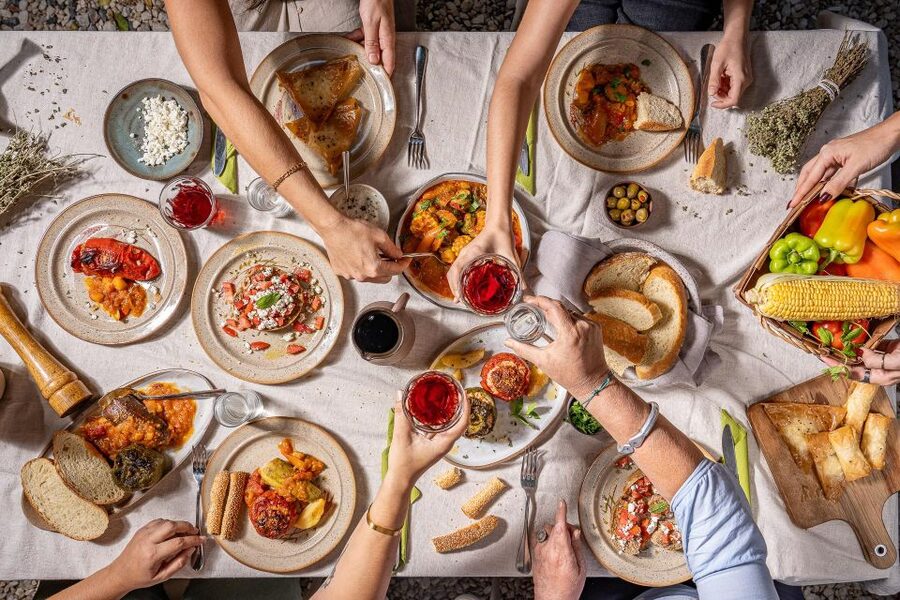
Greek cooking here starts with fresh vegetables, herbs, and a look at how Athenians shop for them. At Mama’s Roots, you cook six dishes in a 1920s stone house in Kerameikos, then sit down to eat what you made.
I like two things in particular: everyone gets involved in the cooking, and the recipes are practical enough to make again at home. The Tuesday market visit adds a useful local detail, while the garden meal and wine turn the lesson into a relaxed social occasion.
One consideration: six dishes in three to three and a half hours is a full schedule, and you may not see every stage of every recipe from beginning to end. The menu can also change with the seasons, so don’t count on a particular dish being available.
At a glance
- A 1920s stone house in Kerameikos: The class takes place at Mama’s Roots, in a neighborhood known for its bars and restaurants.
- A Tuesday market stop: When the class falls on a Tuesday, you usually spend about 15 minutes choosing fresh ingredients at the farmers’ market just outside.
- Six Greek dishes: The menu can include yemista, spinach cheese rolls, Cretan ntakos salad, kagiana, tzatziki, and loukoumades.
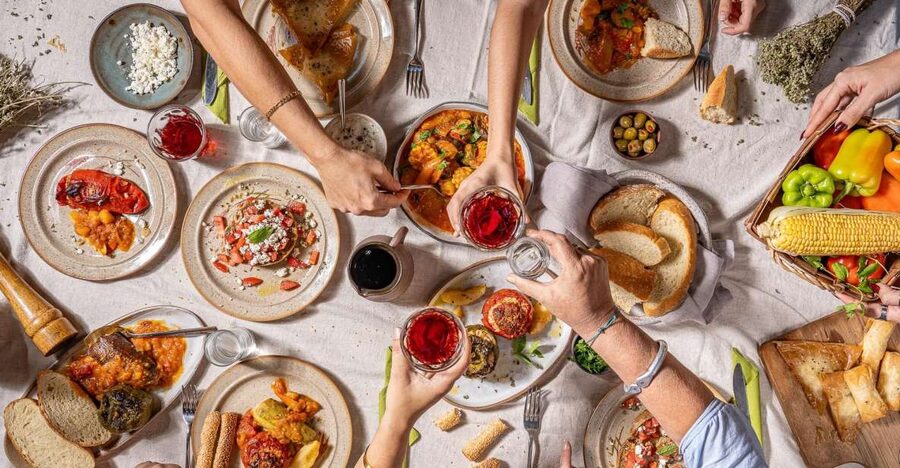
- A shared meal and local wine: After cooking, you sit down together, often in the garden. In hot weather, the meal may be served indoors with air conditioning.
- Recipes to take home: You receive the recipes in digital form, so the class can live on in your own kitchen.
- A small-group feel: The group size varies. Some classes have been especially small, making it easier for everyone to take part.
A Kerameikos house, not a restaurant kitchen
Mama’s Roots is in a 1920s stone house in Kerameikos, a central Athens neighborhood with plenty of bars and restaurants. The house and its garden give the class a domestic feel, closer to cooking with a family than watching a chef work behind a counter.
That difference matters. You’re not just ordering familiar dishes and asking what went into them. You handle ingredients, follow the preparation, and share the finished food with the people who cooked beside you. Past instructors have included Kostas, Vasilis, also called Billy, and Elena. The instructor can vary, but the class is taught in English.
The setting is one of the experience’s strongest points. The courtyard and garden have been a favorite part of the meal, with shade and a calmer mood than the surrounding streets. On a hot day, the group may eat inside in air conditioning instead, which is a sensible trade if the summer heat has made outdoor dining less appealing.
The location is also convenient for exploring central Athens. One participant found it about a 20-minute walk from Monastiraki, though your route and pace may differ. Do check the meeting-point directions before setting out: one person found directions difficult to follow. Mama’s Roots is the meeting point, not a general city-center landmark.
More cooking classes from Athens:
- Athens: Classic Cooking Class with Market Visit and Wine
★ 5.0 · 1,101 reviews - Athens: Food Market Visit and Cooking Class with Wine
★ 4.9 · 1,087 reviews - Greek Cooking Class in Athens Including Rooftop Dinner with Acropolis View
★ 5.0 · 826 reviews
Tuesday means a short market visit
If you book a Tuesday class, the farmers’ market takes place right outside the house. The group usually spends about 15 minutes there picking up fresh ingredients. It’s a brief stop rather than a full market tour, but it connects the meal to the way people buy food locally.
You’ll see where some of the vegetables and other provisions for the class come from before returning to cook with them. That small step adds context to the lesson: Greek food relies on fresh produce, herbs, olive oil, and ingredients that don’t need much dressing up to taste good.
The market visit is specific to Tuesday, so don’t assume you’ll get it on another day. If seeing the market is high on your list, check the class date before booking. On other days, the cooking lesson still includes fresh ingredients and garden vegetables, but the market stop isn’t part of the stated plan.
Six dishes, with plenty to do
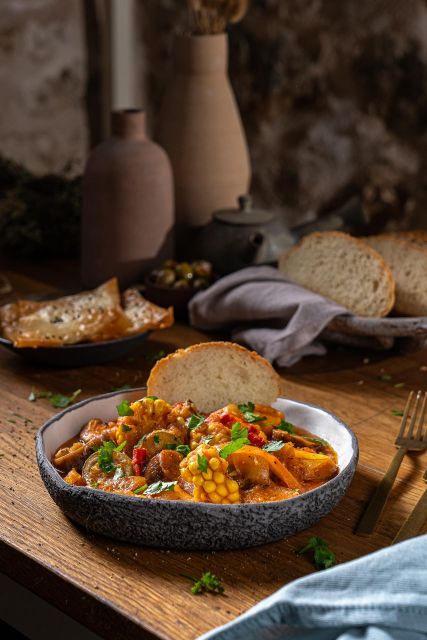
The menu draws on family recipes and culinary traditions associated with Crete and the Peloponnese. It can change with seasonal availability, but the usual selection gives you a good spread of Greek home cooking, from savory pies and salads to a sweet finish.
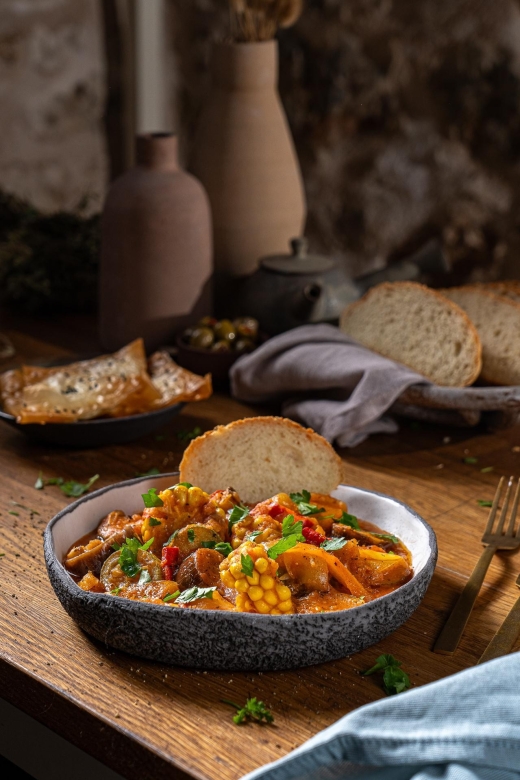
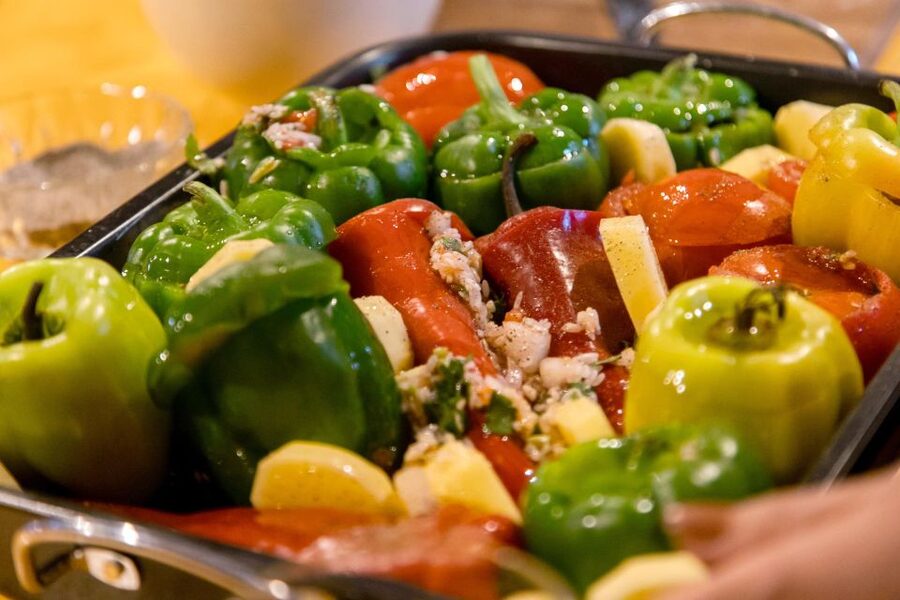
You may make yemista, tomatoes and peppers stuffed with rice, vegetables, herbs, and extra virgin olive oil. The dish shows how simple ingredients can become a filling meal, and it gives you a useful technique to repeat at home.
Spinach cheese rolls bring feta, spinach, herbs, and phyllo pastry together in small baked pies. They were a favorite with many groups, and they’re a good example of the practical appeal of the class: you learn to make something that feels special but can also work as a snack or part of a shared table.
Cretan ntakos salad starts with crunchy barley rusks softened with olive oil, then gets topped with diced tomato, capers, oregano, and sour mizithra cheese. It’s quite different from a bowl of leafy greens, and the combination of crisp bread, ripe tomato, and salty cheese makes it a useful recipe to remember.
Kagiana is a Greek-style scramble of eggs with grated tomatoes, peppers, and feta. Tzatziki combines yogurt, garlic, and cucumber into a simple sauce. These dishes are less complicated than they may sound, and the class helps you see how fresh ingredients and seasoning do much of the work.
The sweet course may be loukoumades, small round doughnuts served with honey and cinnamon. One participant wished they had seen the dessert made from start to finish, which is a helpful reminder that a six-dish class has to keep moving. If watching every step is important to you, ask your instructor about the order of the lesson when you arrive.
The menu is described as six traditional dishes and has been vegetarian in some classes. If you have dietary requirements, don’t assume they can be accommodated without checking with the provider in advance. Seasonal changes can affect what you cook, too, so treat the listed dishes as examples rather than a fixed promise.
A hands-on lesson with a generous pace
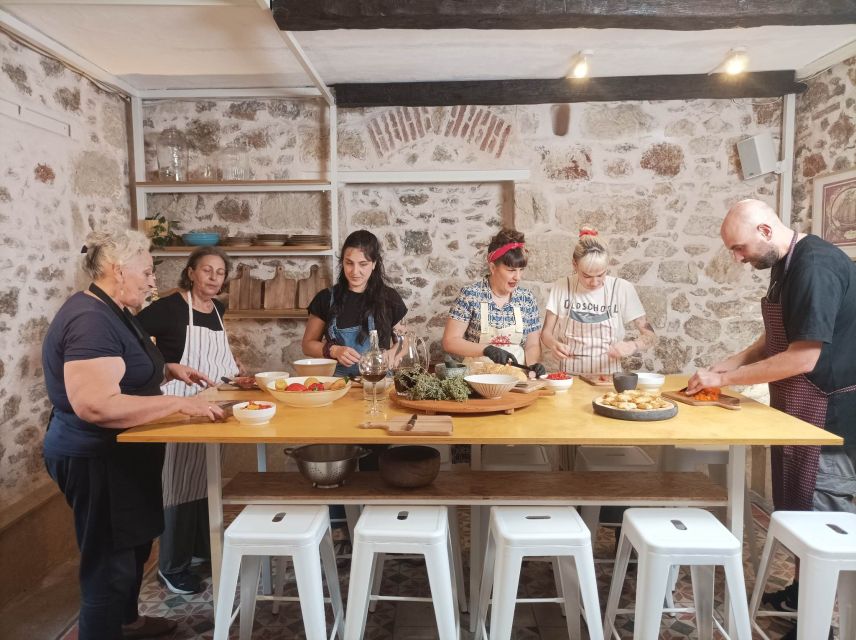
The class is designed for participation, not passive observation. The instructor guides the group through preparation and explains techniques and ingredients, while guests share tasks across the dishes. People who arrive with little cooking experience should still be able to follow along; the recipes have been described as straightforward, and the class welcomes both seasoned cooks and beginners.
The size of the group can shape the experience. Some classes have had around seven people, while one couple found themselves in a class of two. Smaller groups make it easier to ask questions and get a turn at each task, though the exact number will depend on the session.
There’s also a conversational side to the lesson. Instructors have shared family stories, discussed ingredients and their origins, and offered tips about Greek food and Athens. That personal context helps explain why the dishes are prepared as they are, rather than leaving you with a list of steps and measurements.
Expect a relaxed, social atmosphere more than a formal culinary course. You’ll learn useful techniques, but this is not presented as professional chef training. The emphasis is on making food together, understanding the ingredients, and enjoying the meal afterward.
A few more tours around Athens worth a look
- Athens: Acropolis & up to 5 Archaeological Sites Combo Pass
★ 4.4 · 12,619 reviews - Athens: Acropolis Ticket with Optional Audio or Live Guide
★ 4.2 · 11,055 reviews - Athens: Acropolis, Parthenon & Acropolis Museum Guided Tour
★ 4.8 · 9,316 reviews - Athens: Cape Sounion & Poseidon Temple Sunset Half-Day Trip
★ 4.8 · 8,241 reviews
The meal is part of the lesson
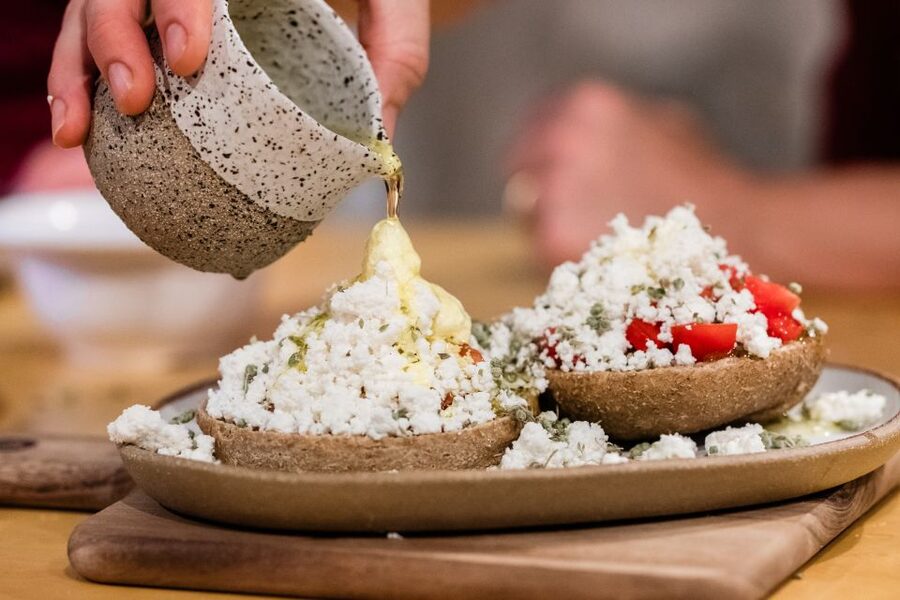
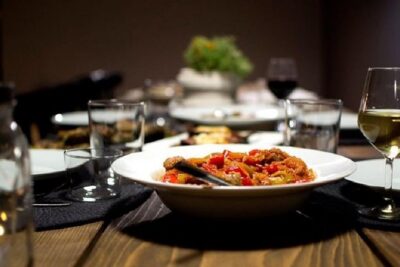
Once the dishes are ready, you sit down to eat together. The shared meal is not an afterthought: it gives you time to taste each dish, compare favorites, and enjoy the results without rushing off as soon as the cooking ends. Wine from local producers is included to accompany the meal.
There’s usually a lot of food. That’s good news if you arrive hungry, but six dishes can be more than a group can finish. Instructors have helped pack up leftovers, so you may be able to take some with you rather than leave it behind. Don’t plan your next meal too tightly.
The garden setting adds to the pleasure when the weather cooperates. Some groups have eaten outdoors in the shade, while one class moved inside to air conditioning because of the heat. The indoor option is worth keeping in mind if you’re visiting Athens in summer: the meal can still be comfortable even when outdoor dining isn’t ideal.
You’ll also meet other people at the table. The small-group format makes conversation part of the experience, and shared cooking gives you an easy way to connect. If you’re hoping for a quiet, private lesson, this may not be the right fit unless your session happens to be very small.
Is $106 good value?
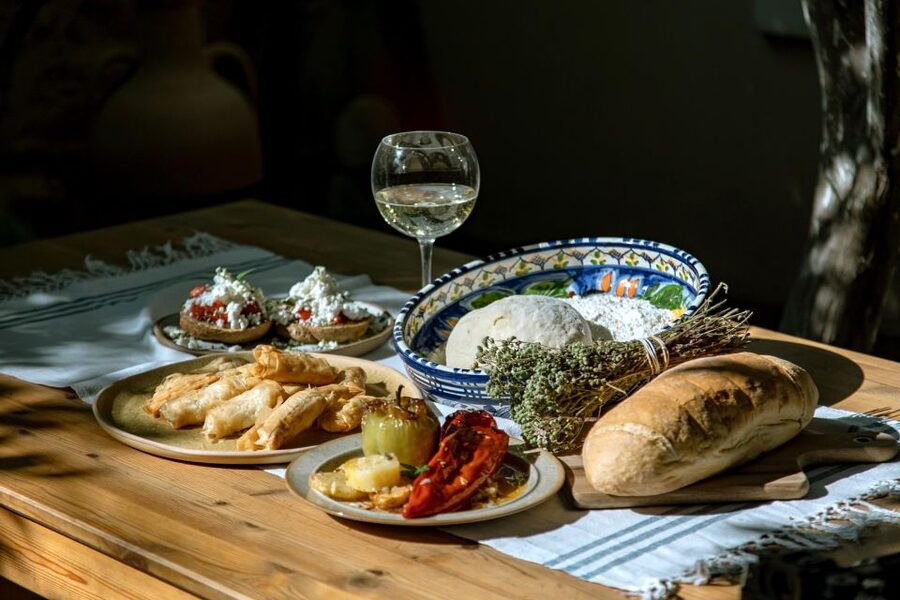
At $106 per person, this costs more than a simple restaurant meal, but the price covers a three- to three-and-a-half-hour experience, hands-on instruction, six dishes, wine, and digital recipes. You’re paying for the cooking lesson and the time around the table, not just the food.
The value is strongest if you want to take home skills as well as a good meal. Recipes such as tzatziki and kagiana are simple enough to repeat, and the lesson gives you a chance to ask questions while the ingredients are in front of you. The digital recipe access is useful, so scan the QR code or follow the instructions for receiving the recipes before you leave. One participant had trouble getting the recipes afterward, so it’s sensible to check that you can access them while you’re still at the class.
If your main goal is to eat as cheaply as possible, a neighborhood restaurant will cost less. If you want a meal, a practical cooking lesson, and a few hours of local food context, the price makes more sense. Wine and the shared meal add to the value, while the market visit on Tuesdays gives you a little extra.
The experience has a five-star rating based on 165 reviews, and the most consistently praised elements are the friendly instructors, hands-on participation, tasty food, and warm house-and-garden setting. Those strengths are central to what you’re paying for. The main trade-offs are the limited time for six recipes, a menu that can change, and the fact that the market visit happens only on Tuesdays.
Who should book this class?
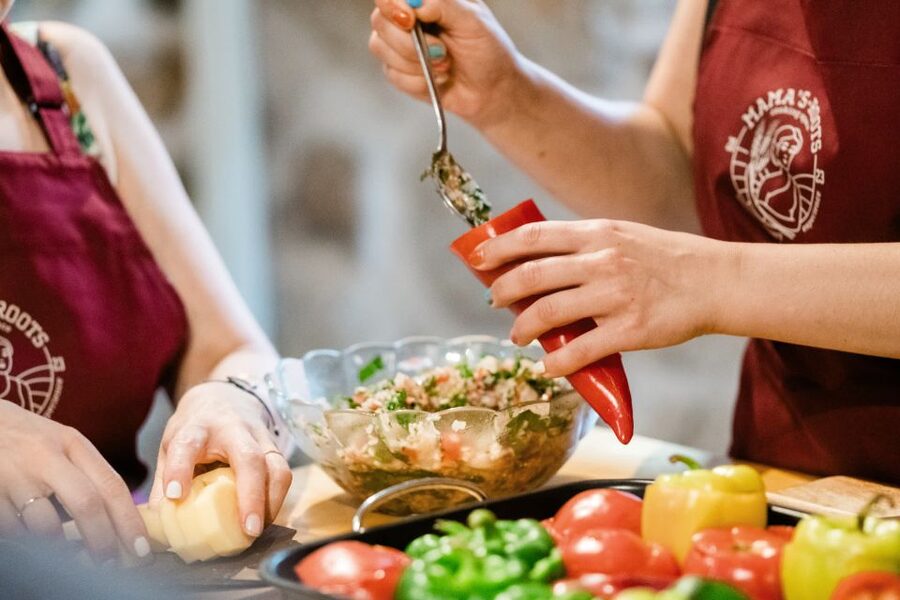
I’d recommend it if you like Greek food and want to understand how to make a few dishes yourself. It’s particularly well suited to couples, families, and solo visitors who enjoy cooking with other people. Families with children have taken part, and the class has welcomed a range of ages, though you should check directly about any needs specific to your group.
It’s also a good choice if you want an activity that balances sightseeing with time indoors. You spend part of the session cooking and part sharing a meal, rather than moving from one landmark to another. The recipes give the experience a useful afterlife: you can try them again at home and bring a little of the Athens meal to your own table.
You may prefer another activity if you want an advanced, technique-heavy cooking course, a guaranteed market visit, or a fixed menu. This is a friendly home-style class, and its appeal is the mix of food, stories, and shared cooking rather than professional instruction.
Booking is more flexible than some activities: you can reserve now and pay later, and cancellation up to 24 hours in advance is eligible for a full refund. Check the available start times and confirm any dietary questions before you commit.
FAQ
How long does the cooking class last?
The class lasts about three to three and a half hours.
Where does the class meet?
You meet at Mama’s Roots in the Kerameikos neighborhood of Athens, in a 1920s stone house.
Is the farmers’ market visit included every day?
No. The farmers’ market takes place outside the house on Tuesdays. The group usually spends about 15 minutes there picking up ingredients.
What dishes will I cook?
The class includes six Greek dishes. Examples include yemista, spinach cheese rolls, Cretan ntakos salad, kagiana, tzatziki, and loukoumades. The menu may change with seasonal availability.
What is included in the price?
The price includes the hands-on cooking class, six traditional dishes, wine from local producers, and recipes in digital form.
Can I cancel for a refund?
Yes. You can cancel up to 24 hours in advance for a full refund.
Just added around Athens
- Athens: Authentic neighborhoods & the beach Bike Tour★ 5.0 · 10 reviews
- Athens: Acropolis & Plaka Neighborhood Private Walking Tour★ 5.0 · 27 reviews
- Athens: Acropolis and Ancient Athens Tour★ 4.8 · 18 reviews
- Athens: Ancient Olympia and Corinth Canal Private Tour★ 4.9 · 5 reviews
- Athens: Acropolis Museum Tour with Skip-the-Line Entry★ 4.8 · 3 reviews
- Athens: Acropolis FULLY PRIVATE Tour with Licensed Guide★ 4.9 · 54 reviews
- Athens: Acropolis Parthenon best sightseeing 4 hours tour★ 4.0 · 5 reviews
- Athens: Acropolis Museum and Acropolis Tour in the Afternoon★ 4.8 · 30 reviews
Athens Cooking Classes, compared.
Classic Cooking Class with Market Visit and Wine
Read our review →
Food Market Visit and Cooking Class with Wine
Read our review →
Greek Cooking Class in Athens Including Rooftop Dinner with Acropolis View
Read our review →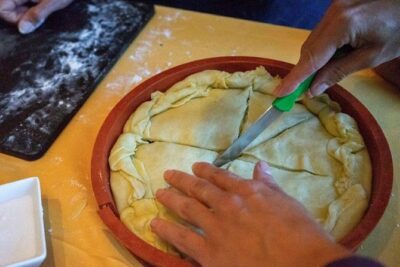
Greek Small-Group Athens Cooking Class & Dinner
Read our review →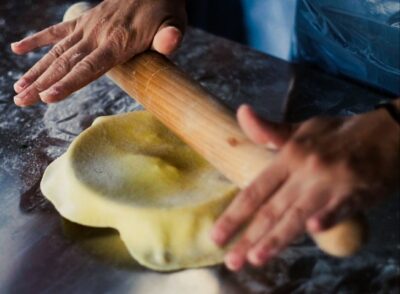
Traditional Greek cooking class and lunch or dinner with an Acropolis view
Read our review →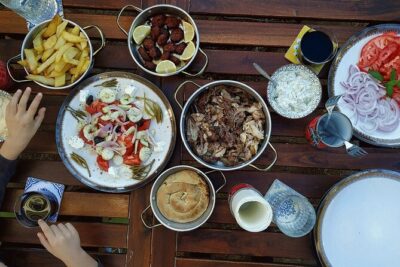
Athens Greek Cooking Class Pita Gyros from Scratch with a Local
Read our review →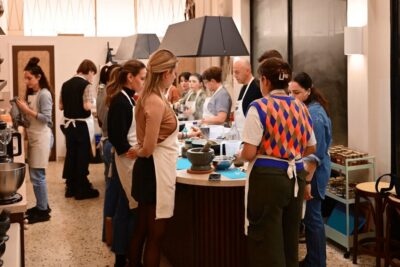
Browse the lists this tour appears in